Transforming Customer Satisfaction through State-of-the-Art POS Systems
Within the current fast-paced business landscape, the client interactions is more important nowadays. With the rise of tech innovations, companies are constantly looking for creative solutions to enhance their engagements with customers. One of the most game-changing tools in this context is the POS system. No more just a payment processor, modern POS systems have evolved into advanced platforms that can optimize business processes, improve client service, and offer valuable insights into business performance.
This comprehensive guide will explore into the fundamental aspects of POS systems, exploring their development from classic cash registers to state-of-the-art cloud-based solutions. We will analyze how a state-of-the-art POS system can revolutionize your business, especially in fields like retail and hospitality. From understanding the features that enhance customer experience to exploring the importance of security and integration with additional enterprise tools, this guide will serve as a blueprint for businesses looking to adopt or enhance their POS technology. Regardless of whether you are a independent business owner or a manager in a big firm, the knowledge provided in this guide will assist you navigate the landscape of POS systems effectively.
Grasping POS Systems
A Point of Sale system is a crucial tool for businesses, streamlining exchanges between clients and vendors. At its center, a Point of Sale solution includes physical devices and software that enable companies to conduct transactions, track stock, and handle customer data. Traditionally, this was performed through cash registers, but contemporary POS systems have evolved dramatically, incorporating advanced technology that optimizes operations and improves client interactions.
The progression of POS systems has shifted from simple cash registers to sophisticated, online systems that offer instant data analysis and reporting. These modern systems can connect with additional operational tools, such as financial and stock management applications, creating a smooth stream of data that enables for enhanced choices and efficiency. As companies seek to improve their operations, understanding how a Point of Sale system can transform their operations is critical.
Furthermore, with the increase of e-commerce and digital payments, adopting a flexible POS system that caters both physical and online transactions has become ever more important. Companies must stay ahead of tech developments, ensuring that their Point of Sale systems not only satisfy current needs but also adjust to future demands. By utilizing cutting-edge Point of Sale technology, organizations can enhance their customer experience, making payments faster, more secure, and easier to understand.
Revolutionizing Business with Contemporary POS Systems
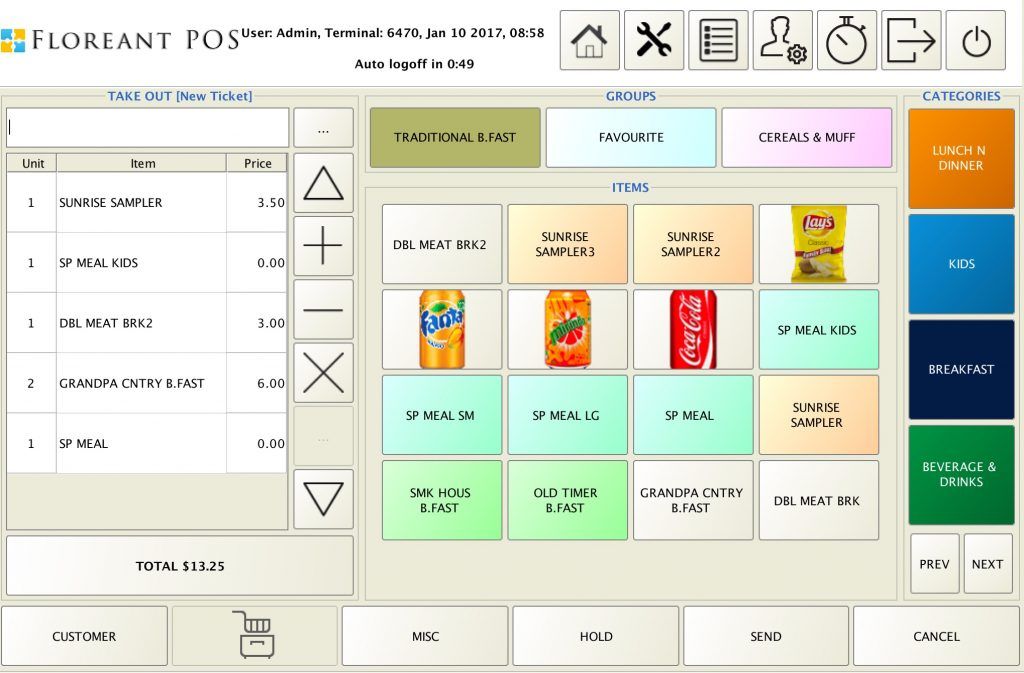
Contemporary POS solutions are at the forefront of reshaping how enterprises interact with their patrons and administer their processes. These state-of-the-art systems exceed simple transaction processing; they incorporate features that facilitate inventory management, customer interaction management, and data analytics. The shift from traditional cash registers to advanced cloud-based systems has allowed businesses to run more productively and react better to customer needs, ultimately leading to greater satisfaction.
One of the most important ways modern POS systems revolutionize organizations is through their ability to provide up-to-the-minute data insights. With enhanced reporting capabilities, business owners can gather valuable data about sales patterns, consumer behaviors, and inventory status. This information not only informs decision-making but also permits companies to customize their advertising strategies and promotions, creating a more tailored shopping experience. By harnessing advice , businesses can optimize their operations and boost overall customer engagement.
Additionally, the inclusion of mobile and contactless payment options within modern POS systems caters to the growing demand for simplicity. Clients appreciate speedy and smooth transactions, which contemporary systems facilitate with technologies like Near Field Communication and mobile wallets. This shift not only speeds up the checkout process but also improves customer trust and loyalty. By adopting cutting-edge POS technologies, companies can stay ahead of the competition, ensuring they satisfy the shifting expectations of their clients in a fast-paced marketplace.
Protection, Regulatory Adherence, and Maintenance of POS Systems
Guaranteeing the security of POS systems is essential in today’s fast-changing digital landscape. Businesses must implement strong security measures to safeguard sensitive customer data from online dangers. This entails using EMV chip technology, which helps to minimize the risk of deceptive transactions by ensuring that data is secured and protected during the payment process. Moreover, frequent updates to the POS software are crucial as they often contain security patches that combat against newly discovered vulnerabilities.
Adherence is another paramount concern for businesses using POS systems, especially with regard to PCI DSS standards. These regulations are designed to protect cardholder information, and not complying to comply can lead to severe penalties and reputational damage. Businesses must verify that their POS systems are configured correctly to meet compliance requirements, conducting periodic audits and assessments to ensure that security measures are up to date and functional in protecting customer data.
Upkeep of POS systems is just as crucial as their initial configuration. Routine maintenance can avoid downtime and improve performance, guaranteeing that the system functions smoothly during peak business hours. It is advisable for businesses to create a routine maintenance schedule that includes inspecting hardware components, monitoring software performance, and educating staff on how to address frequent issues. Timely troubleshooting and expert support can reduce risks, ensuring that the POS system remains a reliable aspect of regular operations.