Strategies to a Flawless Retail Fitting Process
In the rapid world of the retail industry, making a lasting impression on customers is essential for success. https://refurbishmentsuk.co.uk/best-retail-fit-out/ designed retail fit-out can be the difference between a dull shopping experience and an unforgettable one. Knowing what a retail fit-out is and why it matters for your business is crucial. Whether you are starting from scratch or renovating an existing space, the right approach to design and planning can boost your brand and ultimately increase your sales.
In exploring the secrets to a seamless retail fit-out process, we will provide insights into transforming your retail space from concept to completion. From implementing creative design ideas that enhance customer engagement to avoiding the potential pitfalls of working with contractors, this guide will prepare you with the knowledge needed to develop an enchanting retail environment. Stay ahead of the curve by discovering the latest trends and sustainable practices that are defining the future of retail fit-outs, ensuring your store stands out in an ever-more competitive market.
Comprehending Commercial Fit-Outs
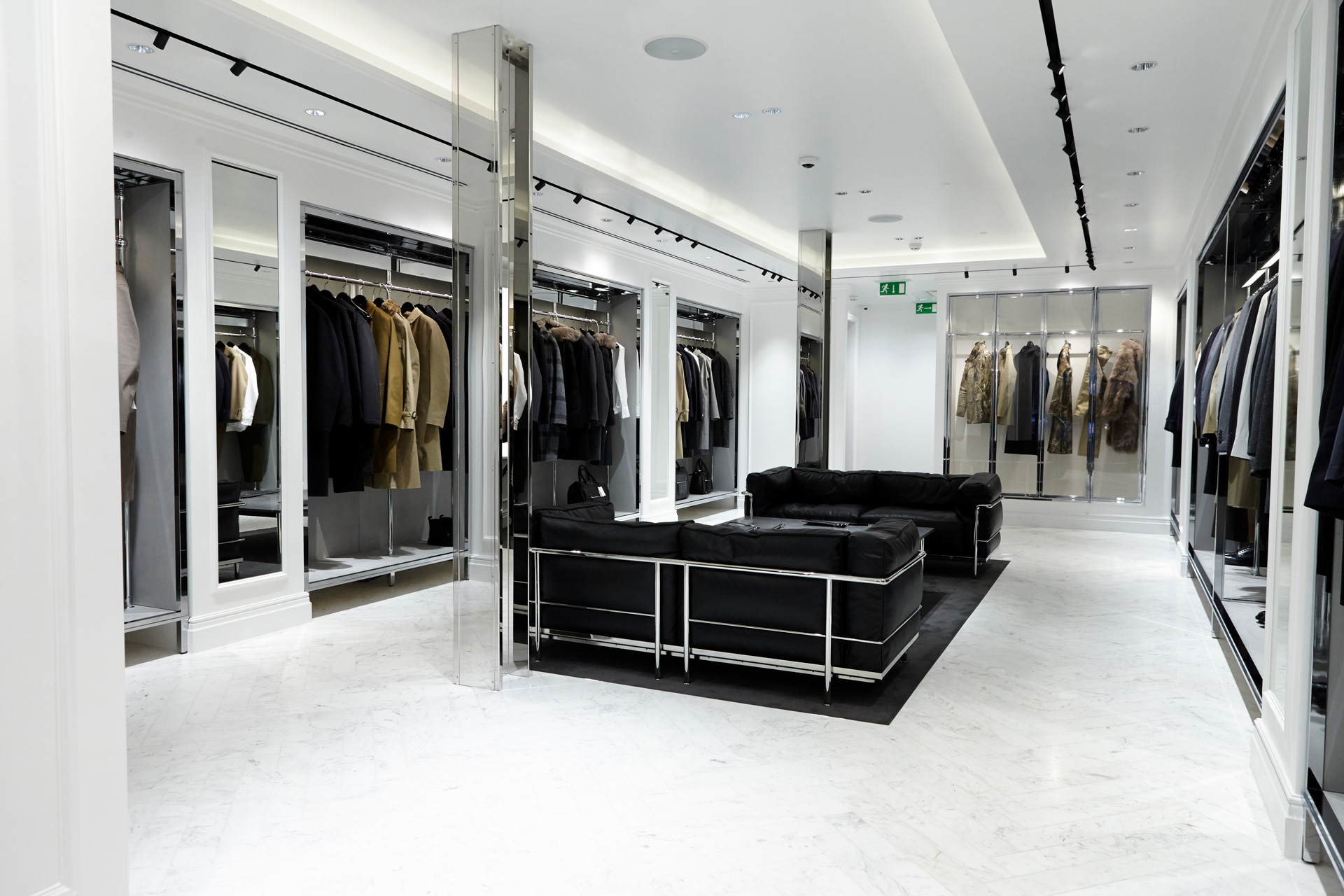
Retail fit-outs denote the process of adapting a venue into a practical and appealing shopping environment. This consists of all aspects from the initial design idea to the conclusive execution of development and decoration. A well-executed fit-out establishes a integrated space that represents the brand’s image and satisfies the operational needs of the company, ultimately enhancing the shopping experience for clients.
The importance of a commercial fit-out cannot be ignored. It directly impacts shopper engagement, satisfaction, and the general operation of a store. A thoughtfully constructed space can generate increased pedestrian traffic, higher sales, and enhanced brand loyalty. Additionally, an efficient fit-out can help differentiate a company from its opponents in a competitive marketplace, making it essential for modern retailers to invest in high-quality design and implementation.
As the commercial landscape evolves, so too do the trends and expectations surrounding fit-outs. Advancements in tech, green practices, and consumer behavior play significant roles in shaping how retail environments are constructed. Grasping these factors is vital for companies aiming to design environments that not only attract shoppers but also foster lasting associations. Keeping up with developments and integrating the newest conceptual principles into a retail fit-out can significantly enhance a store’s appeal and efficiency.
The Retail Fitting Out Procedure
The commercial fit-out process is typically divided into several key stages, all of which plays a critical role in transforming a conceptual design into a practical retail space. The initial phase involves comprehensive planning and design, where the vision for the store layout and customer experience is defined. During this phase typically involves engaging with professional designers who can help create a environment that reflects the brand's identity and enhancing customer engagement. By outlining the goals and expectations early on, businesses can establish a clear roadmap for the project's direction.
Once the design is finalized, the subsequent step is the procurement of materials and hiring of contractors. Selecting the right contractors is vital, as it ensures that the fit-out is completed to the desired standard and within the set timeline. During this phase, it is essential to budget effectively, keeping in mind unexpected costs that may arise. Dialogue between the business owner and the contractors should stay consistent, allowing for adjustments in the moment to avoid common pitfalls that can derail the project.
In conclusion, the fit-out execution is undertaken, which involves the real construction and installation of fixtures. This is where the design comes to life as walls are built, shelves are mounted, and lighting is set up. Throughout this stage, it is essential to monitor progress closely and resolve any challenges that may come up promptly. Upon completion, the space should not just look appealing but also operate efficiently to enhance the shopping experience. Following these steps diligently can lead to a profitable fit-out that significantly boosts sales and customer satisfaction.
Cost Management and Environmental Responsibility in Store Design
When planning a commercial space, striking a balance between budgeting and sustainability is vital. Companies often face the challenge of addressing financial constraints while also aiming to create an sustainable space. By prioritizing sustainable materials and energy-efficient fixtures, retailers can achieve long-term cost savings. This method not only reduces waste but also possibly decreases operational costs in the years following the fit-out.
Investing in sustainable practices can also boost a retailer's brand image and attract increasingly eco-conscious consumers. Utilizing recycled materials and incorporating natural lighting can cultivate a welcoming atmosphere while showcasing a company’s dedication to sustainability. Moreover, many innovative solutions available today enable aesthetic versatility alongside environmental considerations, making it easier to preserve a stylish retail environment.
Finally, while initial costs may be increased, the return on investment through energy savings and customer loyalty can prove substantial. Adopting a thorough budgeting strategy that includes sustainable innovations ensures companies can mitigate unforeseen expenses. As retailers advance, combining financial planning with a commitment to sustainability will not only set them apart in a competitive market but also have a positive impact on the planet.